Epigallocatechin Gallate (EGCG),is the most abundant and biologically active catechin monomer in green tea. Containing eight phenolic hydroxyl groups, it serves as the primary source of green tea's bioactivity and is highest in concentration within fresh green tea leaves and buds.
「The following provides an overview of the therapeutic effects of EGCG, descriptions of their functional activities derived from the literature cited on this site.」
Antioxidant (the king of free radical scavenging)
Activity: Antioxidant capacity ≈ 100 times that of vitamin C and 25 times that of vitamin E; 1 mg of EGCG ≈ 9 μg of SOD activity.
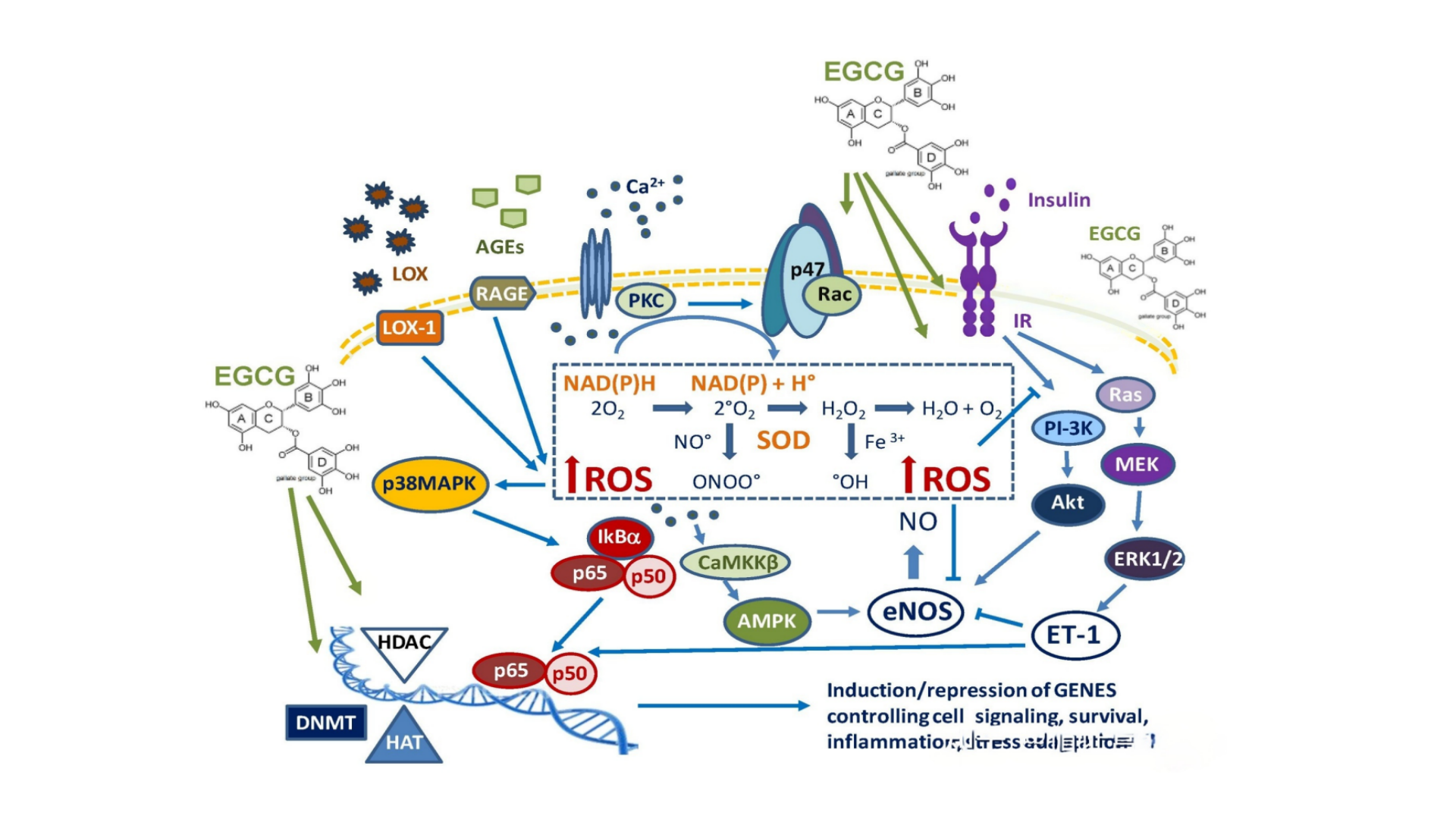
Mechanism: The phenolic hydroxyl group donates electrons to neutralize free radicals, inhibit lipid peroxidation, activate the Nrf2 pathway, and upregulate endogenous antioxidant enzymes such as SOD/HO-1.
Evidence: Anti-skin photoaging and spot lightening; protection of DNA and cell membranes, delaying cellular aging.
Anti-inflammatory (inhibits chronic inflammation)
Mechanism: Inhibits the NF-κB pathway, reducing pro-inflammatory factors such as IL-6, TNF-α, and C-reactive protein; blocks the MAPK/STAT inflammatory signaling pathway.
Evidence: Activated macrophage experiments demonstrated that EGCG reduces the release of inflammatory factors by 45% or more, alleviating chronic inflammations such as arthritis, enteritis, and gingivitis.
Multi-target inhibition of tumors
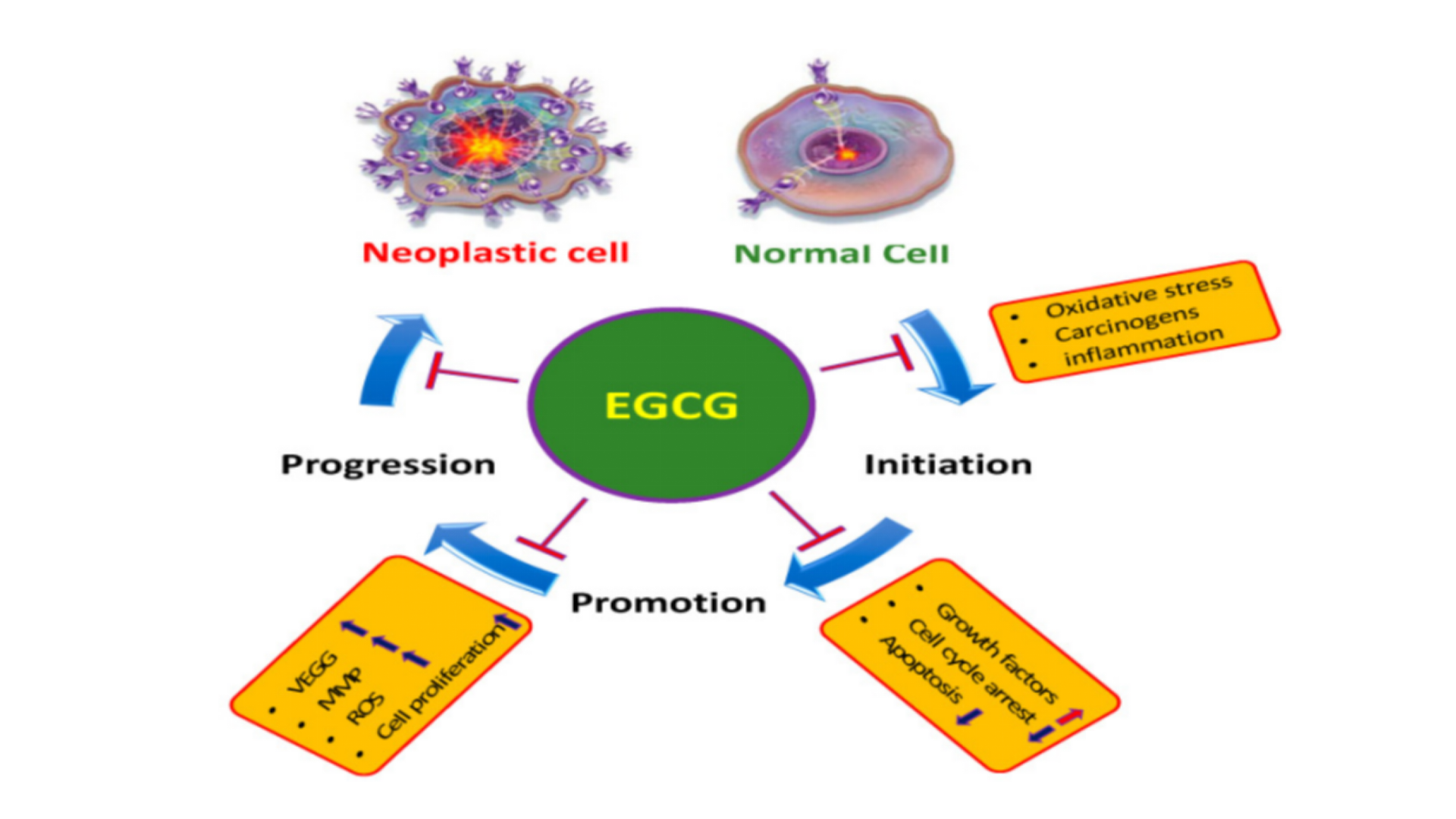
Mechanism: Inhibits tumor cell proliferation and induces apoptosis; suppresses VEGF to block tumor angiogenesis.
Regulate the cell cycle and inhibit invasion and metastasis; modulate immunity (activate NK cells/T cells) and reverse drug resistance.
Evidence: Demonstrates inhibitory effects on lung cancer, breast cancer, colorectal cancer, liver cancer, and prostate cancer; daily intake of ≥400 mg EGCG reduces cancer risk by 20%.
Cardiovascular protection (vascular protection / lipid regulation / blood pressure reduction)
Lipid regulation: Inhibits intestinal cholesterol absorption, reduces LDL (bad cholesterol) by 5%–10%, and increases HDL.
Blood pressure reduction: Improves vascular endothelial function and dilates blood vessels; long-term intake reduces systolic blood pressure by 3–5 mmHg.
Antithrombotic: Inhibits platelet aggregation and reduces thrombosis risk; decreases coronary heart disease (CHD) risk by 12% (consumption of ≥3 cups of green tea daily).
Metabolic Health (Blood Sugar Control / Fat Reduction / Liver Protection)
Blood glucose control: Inhibits α-amylase to delay glucose absorption; enhances insulin sensitivity and reduces glycated hemoglobin by 0.3%–0.5% (in type 2 diabetes).
Fat reduction: Promotes fat oxidation and inhibits fat synthesis; assists in reducing body weight and body fat percentage.
Liver protection: Alleviates chemical-induced liver injury and mitigates hepatic fibrosis; regulates endoplasmic reticulum stress to protect hepatocytes.













 WeChat