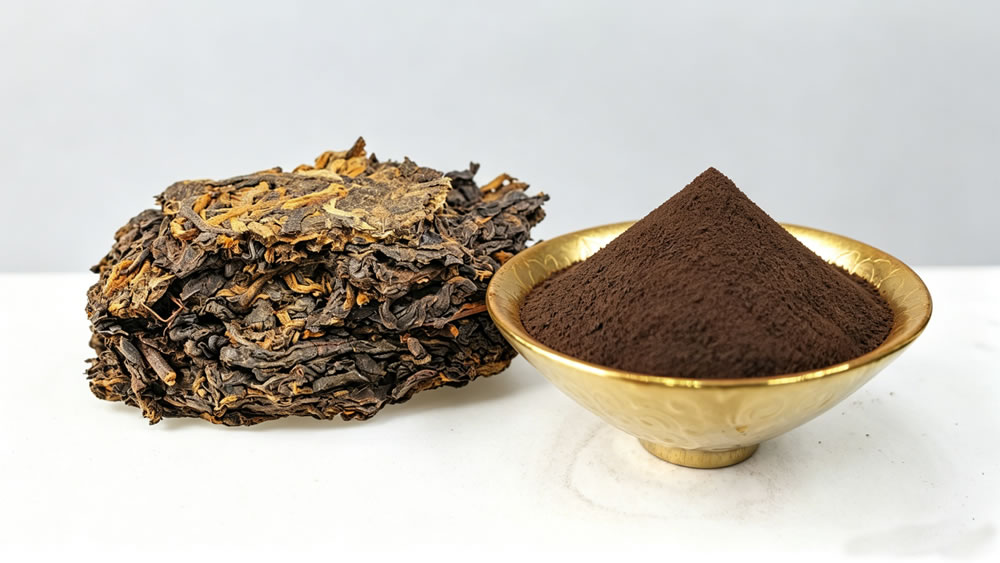
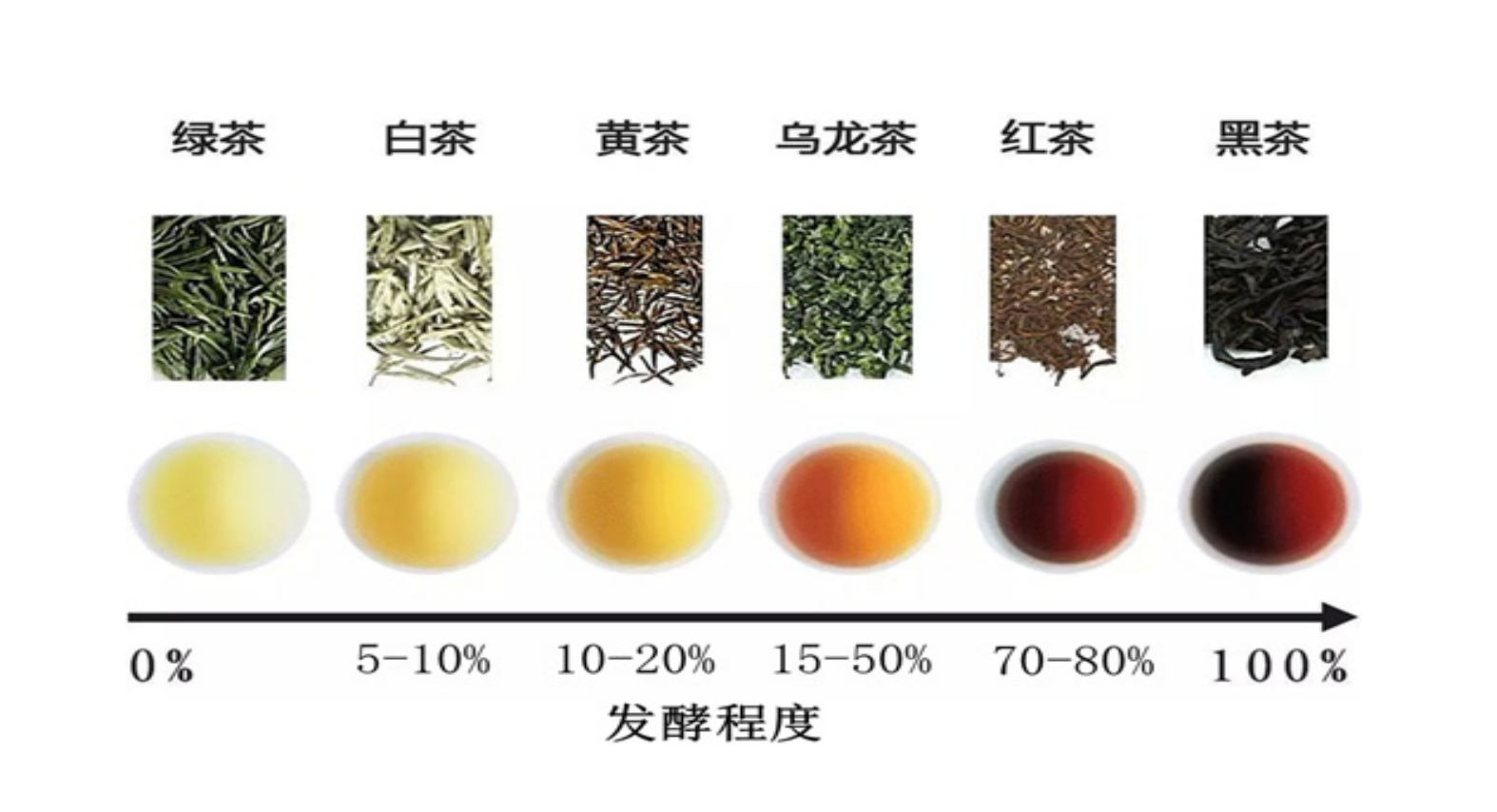
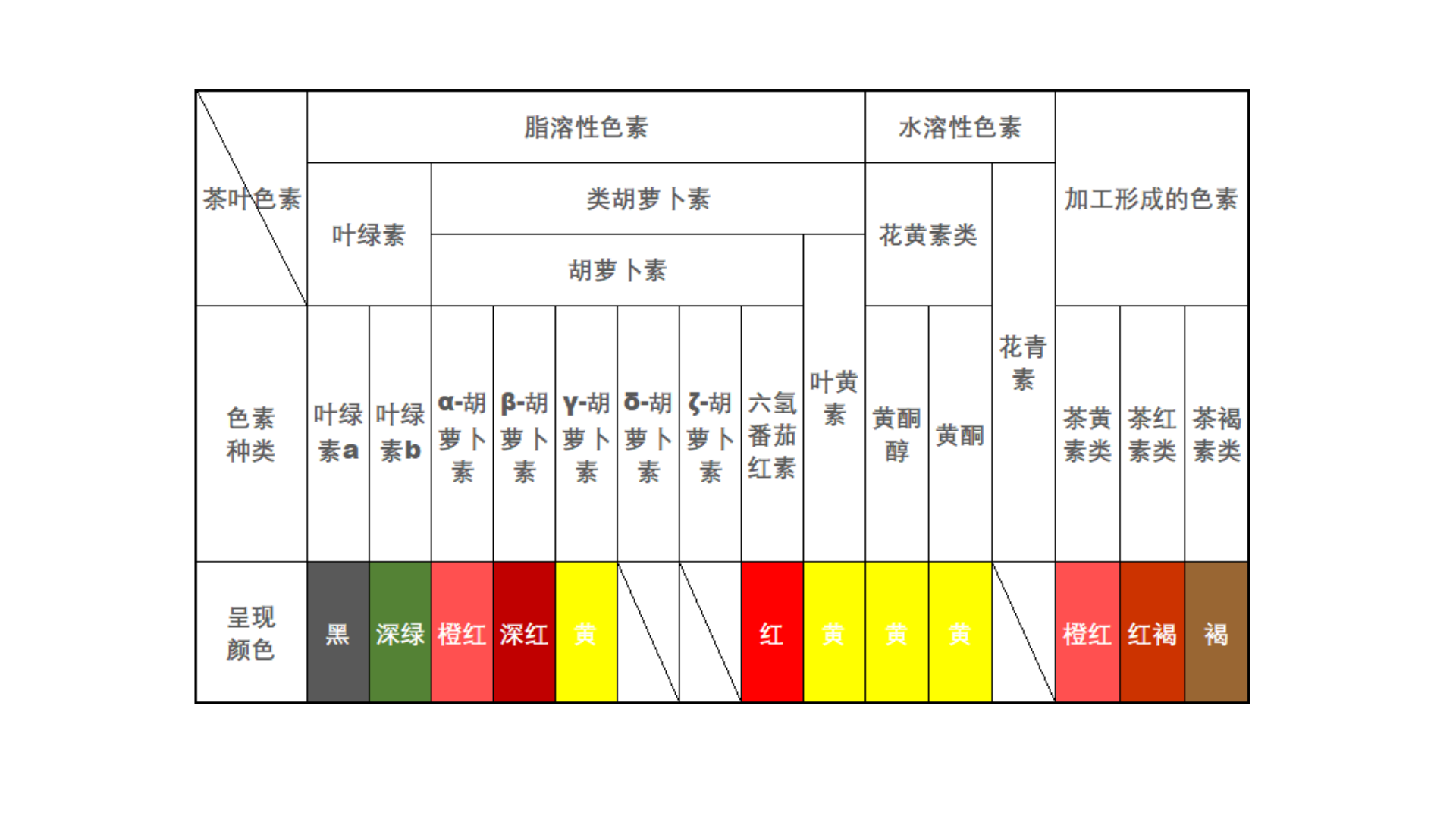
Theabrownine (TB) is a natural high-molecular-weight pigment formed through deep oxidative polymerization of tea polyphenols in tea (particularly fully fermented/post-fermented teas such as Pu-er tea and dark tea). It serves as one of the core components of tea pigments and exhibits multiple scientifically validated physiological activities and health benefits.
「The following provides an overview of the effects of theabrowin, descriptions of functional activities derived from the literature cited on this site.」
Dual regulation of glycolipid metabolism (core efficacy)
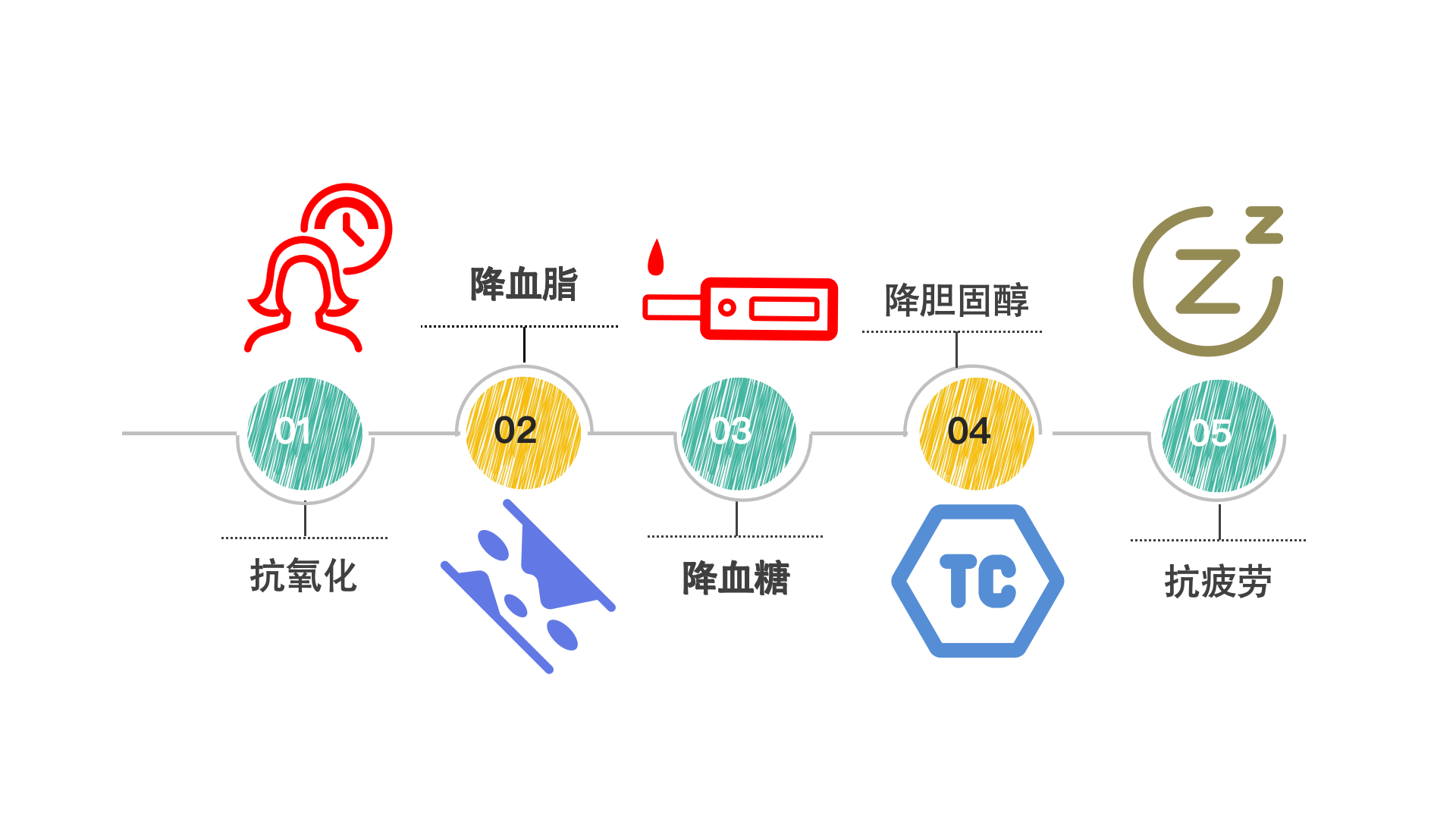
Regulation of lipid metabolism: It inhibits the synthesis of cholesterol and triglycerides in the liver, promotes oxidative breakdown of adipose tissue, accelerates lipid metabolism and excretion, reduces intestinal absorption of fats and cholesterol, lowers serum levels of total cholesterol, triglycerides, and low-density lipoprotein (LDL), thereby improving dyslipidemia. Additionally, it adsorbs intestinal fats, reduces fat accumulation, and assists in weight control.
Regulation of glucose homeostasis: Inhibits intestinal α-glucosidase activity, delaying the rate at which carbohydrates are broken down into glucose, thereby stabilizing postprandial blood glucose levels; and improves insulin resistance through the IRS-1/PI3K/Akt signaling pathway, enhancing cellular glucose uptake and utilization, reducing hepatic gluconeogenesis, and maintaining blood glucose balance.
Regulating Gut Microbiota and Intestinal Health
As an intestinal microbiota regulator, theaflavin can optimize the structure of the gut microbiota, increase the abundance of beneficial bacteria such as Bifidobacterium and Lactobacillus, inhibit the proliferation of harmful bacteria like Escherichia coli and Salmonella, and maintain intestinal microecological homeostasis. Additionally, it enhances the expression of intestinal epithelial tight junction proteins (ZO-1 and occludin), strengthens the integrity of the intestinal barrier, reduces intestinal permeability, induces the production of antimicrobial peptides such as secretory immunoglobulin A (sIgA), and improves local intestinal immunity to defend against pathogen invasion.
Adjuvant regulation of uric acid metabolism
It inhibits the activity of key enzymes involved in uric acid synthesis (xanthine oxidase XOD and adenosine dehydrogenase ADA), thereby reducing uric acid production at its source. Simultaneously, it promotes renal uric acid excretion, achieving bidirectional regulation of uric acid levels, which aids in improving hyperuricemia and lowering the risk of gout attacks.
Anti-inflammatory and Immune Regulation
Inhibit inflammatory signaling pathways such as nuclear factor-κB (NF-κB), reduce the expression of pro-inflammatory factors including IL-6 and TNF-α, and mitigate chronic inflammatory responses in the body. It activates innate immune cells such as macrophages and dendritic cells, regulates immune cell differentiation, promotes Treg cell proliferation, enhances the body's antiviral and anti-infective capabilities, and maintains immune system homeostasis.
Potential antitumor activity
In vitro and animal experiments have demonstrated that theaobromine can induce apoptosis of tumor cells, inhibit the tumor cell cycle progression, and suppress the proliferation of various cancer cells including gastric and hepatocellular carcinoma. Additionally, it regulates the expression of tumor-associated genes, inhibits tumor angiogenesis, and exerts an adjuvant antitumor effect.













 WeChat