Theanine (TA), also known as N-ethyl-γ-L-glutamine, is a unique free amino acid found in tea. It constitutes over 50% of the total free amino acids in tea and serves as the primary contributor to its fresh, refreshing flavor, while also being a highly health-beneficial active component in tea.
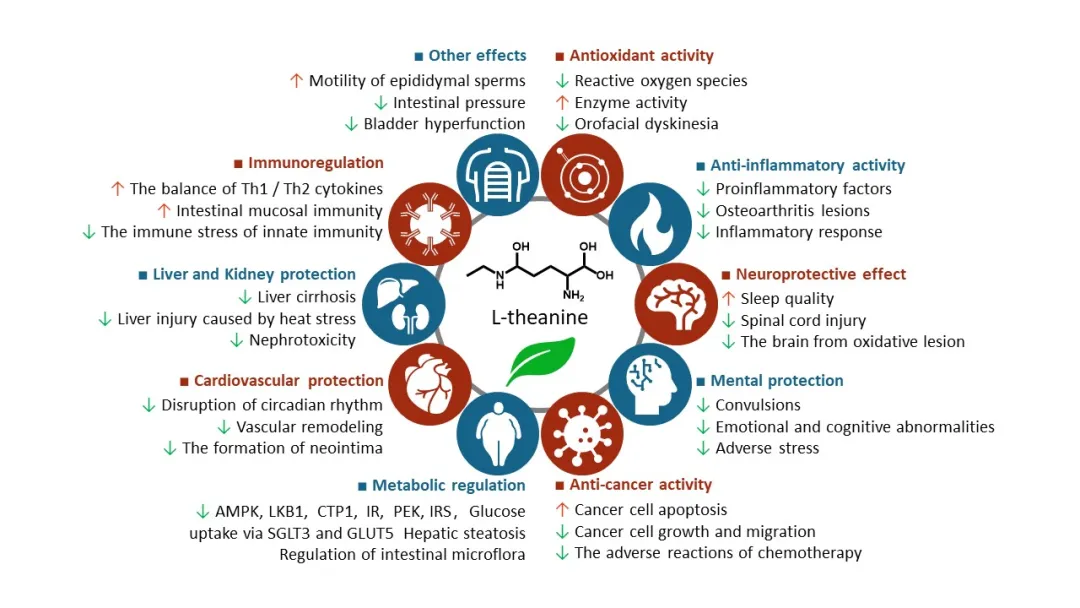
「The following provides an overview of the therapeutic effects of theanine, descriptions of its functional activities derived from the literature cited on this site.」
Alleviate anxiety, promote sedation and relaxation
Theanine readily crosses the blood-brain barrier, modulates the secretion of cerebral neurotransmitters, promotes the generation of alpha brain waves, and inhibits beta brain waves associated with tension and anxiety. This enables the body to achieve physical and mental relaxation while maintaining alertness, effectively alleviating emotional issues such as mental stress, restlessness, and excessive pressure. Additionally, theanine counteracts the excitatory effects of caffeine found in tea, preventing adverse reactions like palpitations and hyperexcitability induced by caffeine alone, thereby fostering a state of alertness and relaxation. It demonstrates significant regulatory effects on individuals with autonomic nervous system dysfunction or heightened emotional sensitivity.
Assist in improving sleep quality
Theanine regulates central nervous system excitability, reduces neural tension, shortens sleep onset time, and increases the duration of deep sleep without inducing side effects such as drowsiness or dependence. By balancing neurotransmitter secretion and optimizing sleep architecture, it aids in restoring physical energy, making it particularly suitable for individuals who frequently stay up late, have irregular sleep patterns, or experience poor sleep quality.
Improve cognition and protect neuronal cells
Theanine promotes the release of beneficial neurotransmitters such as dopamine in the brain, enhances neuronal activity, improves learning ability, memory, and concentration, and alleviates issues like mental fatigue and attention deficits. Additionally, theanine competitively inhibits neuronal damage caused by excessive glutamate excitation, reduces harm from transient cerebral ischemia and oxidative stress to neurons, lowers the rate of neuronal apoptosis, and exhibits potential preventive and protective effects against brain injuries such as cerebral embolism and Alzheimer's disease.














 WeChat